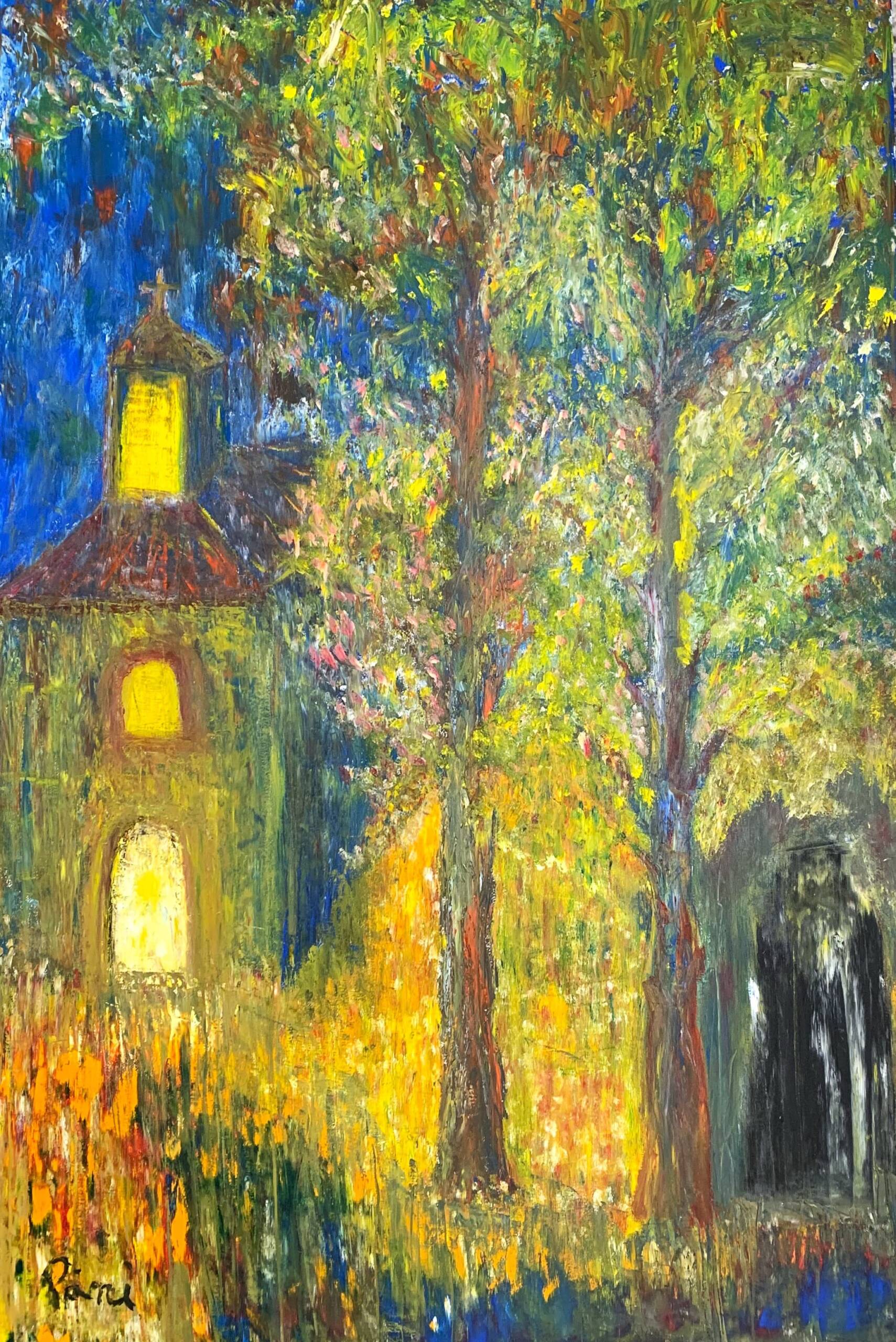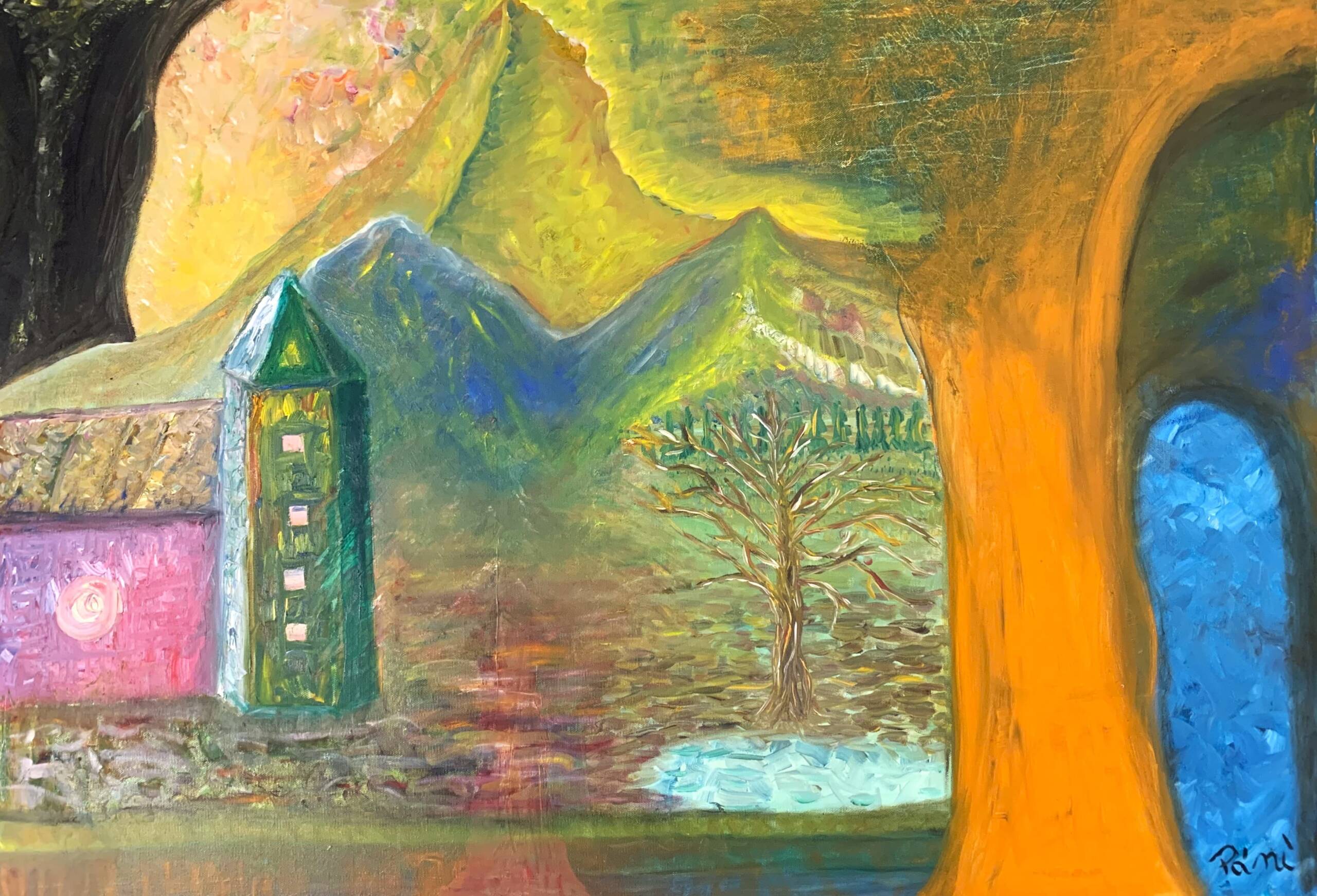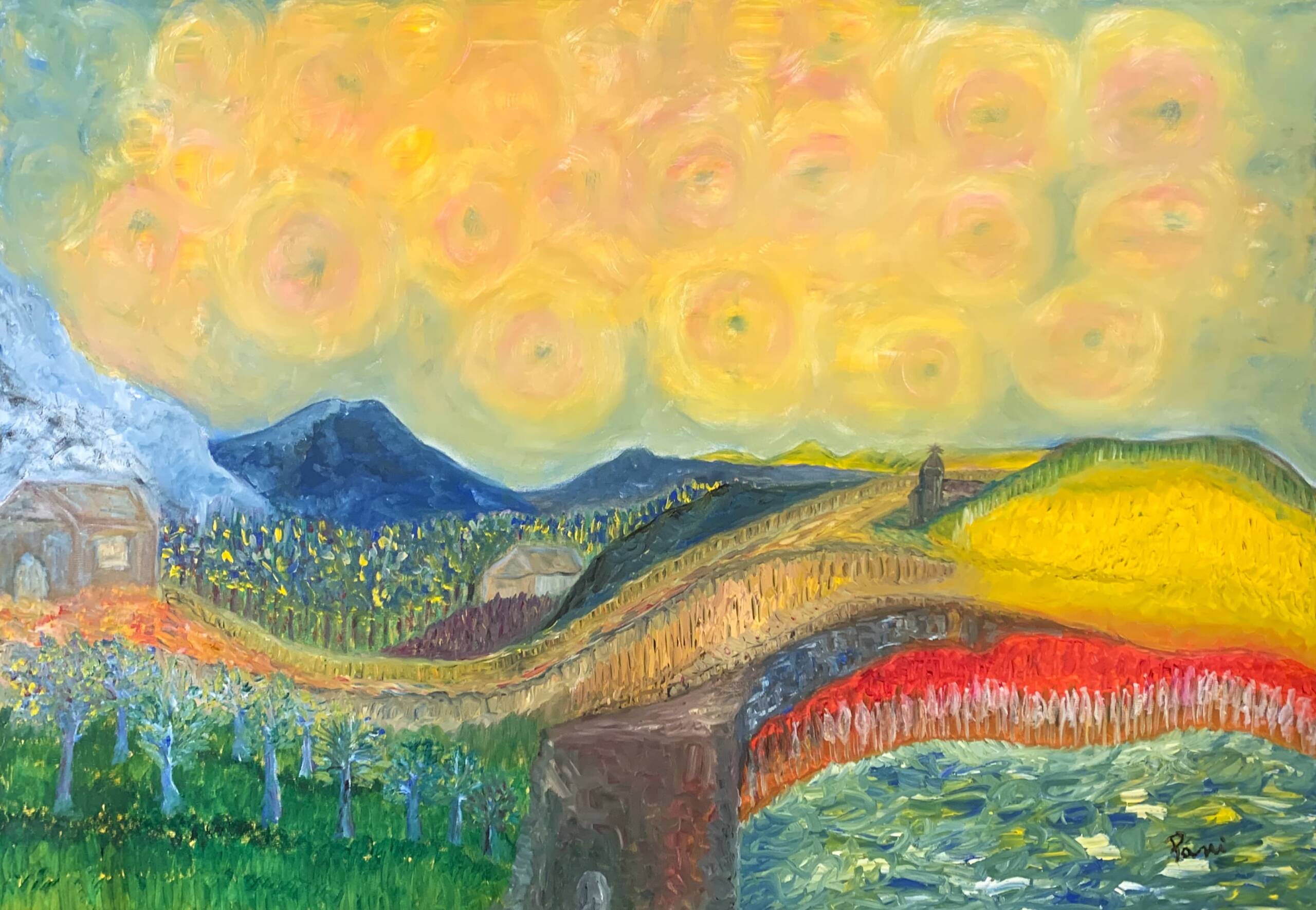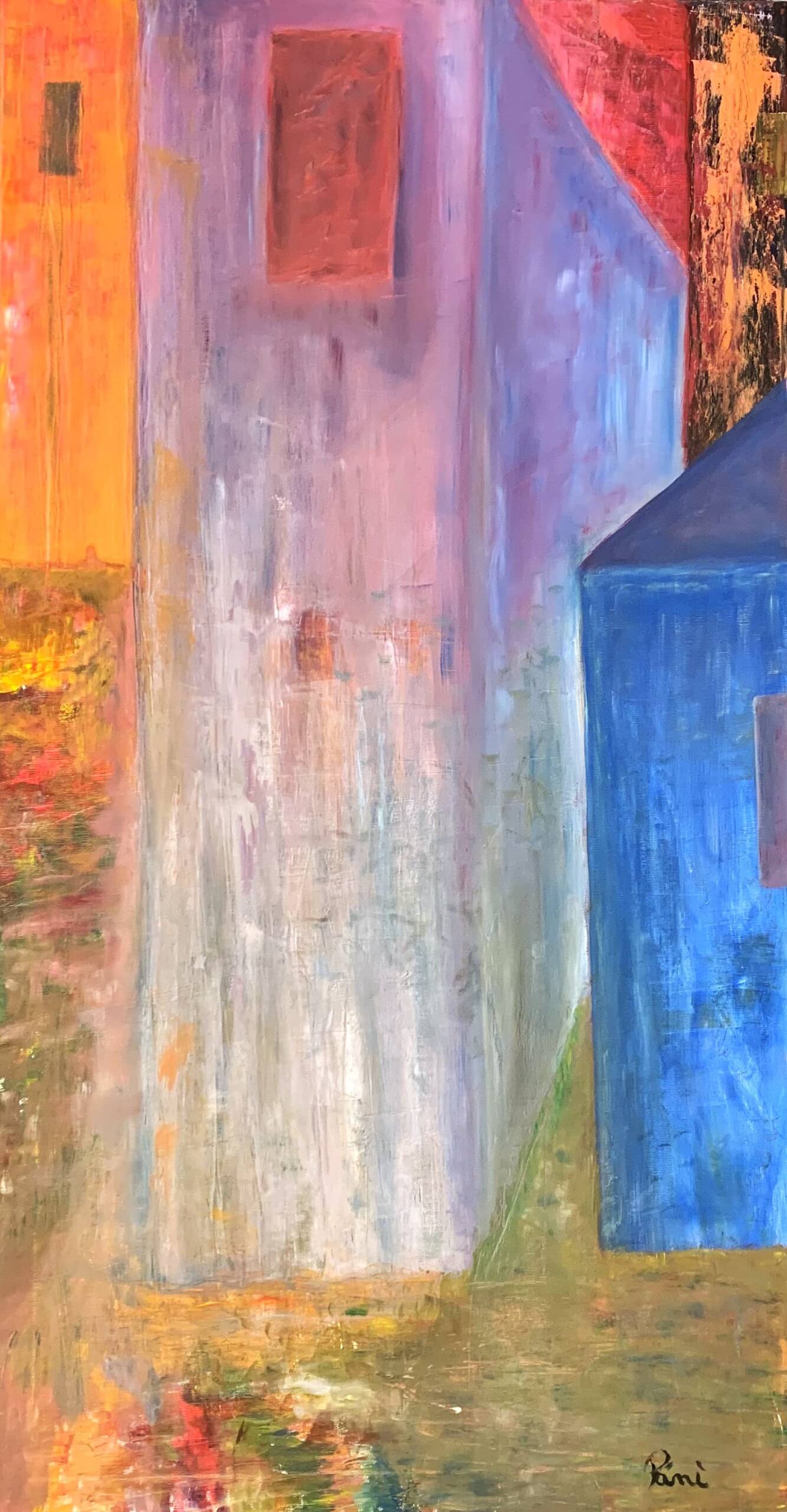
The art of Ninni Palazzolo ‘’Pání ’’
Ninni Palazzolo, a self-taught artist and visionary, has embarked on a creative journey rooted in his Sicilian origins. Born in March 1958 in Roccapalumba, a charming village near Palermo, Palazzolo moved his life and artistic spirit to Milazzo, in the Messina province, in 1963. Here, in 1969, he began to give shape to his ideas with a strength and passion that have distinguished him in the contemporary art scene.
From a young age, Palazzolo demonstrated a natural inclination for art. His early artistic experiences were not limited to the creation of industrial design structures; he also explored the world of oil painting, immersing himself completely in the creation of sculptures made from a variety of materials, from resin to wood to iron. But his true discovery came when he began working with clay, a material that, like a warm and malleable embrace, seemed to reflect his soul.
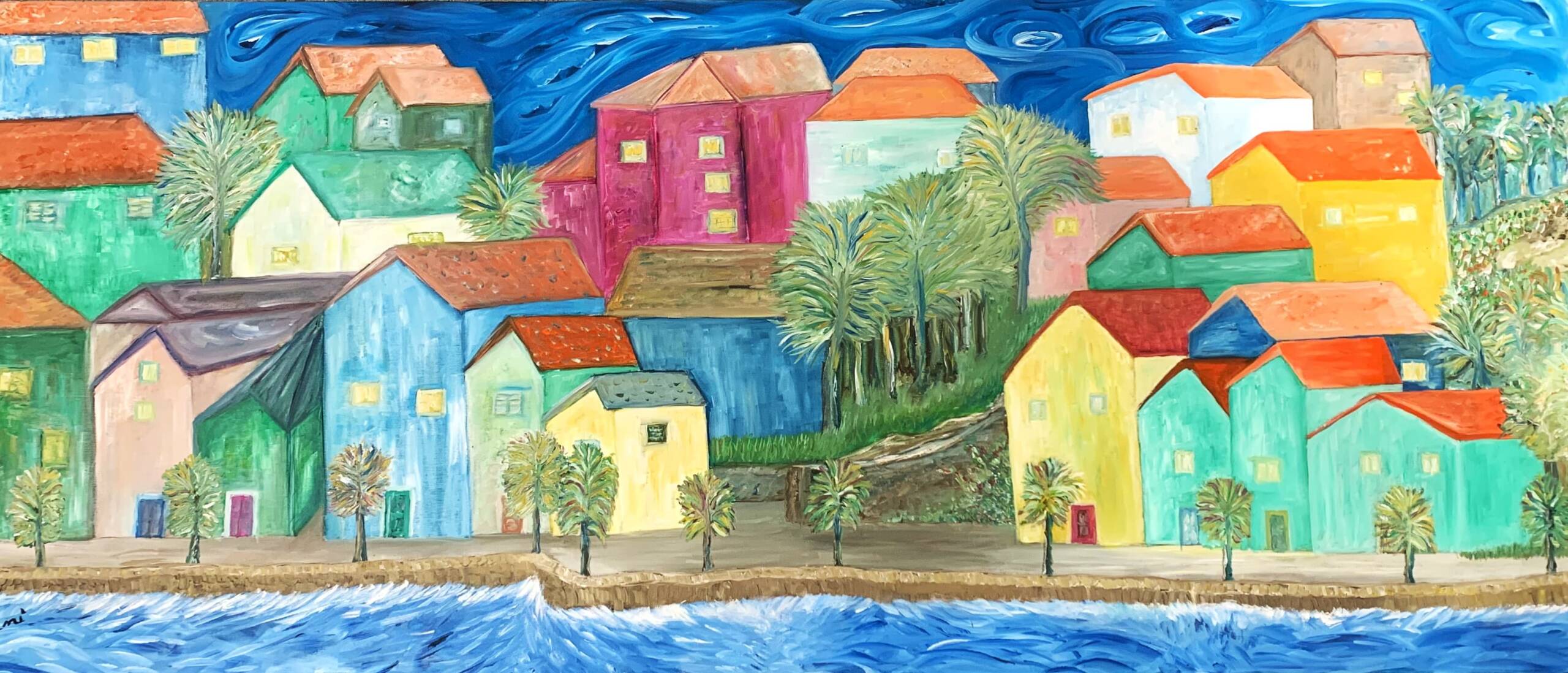
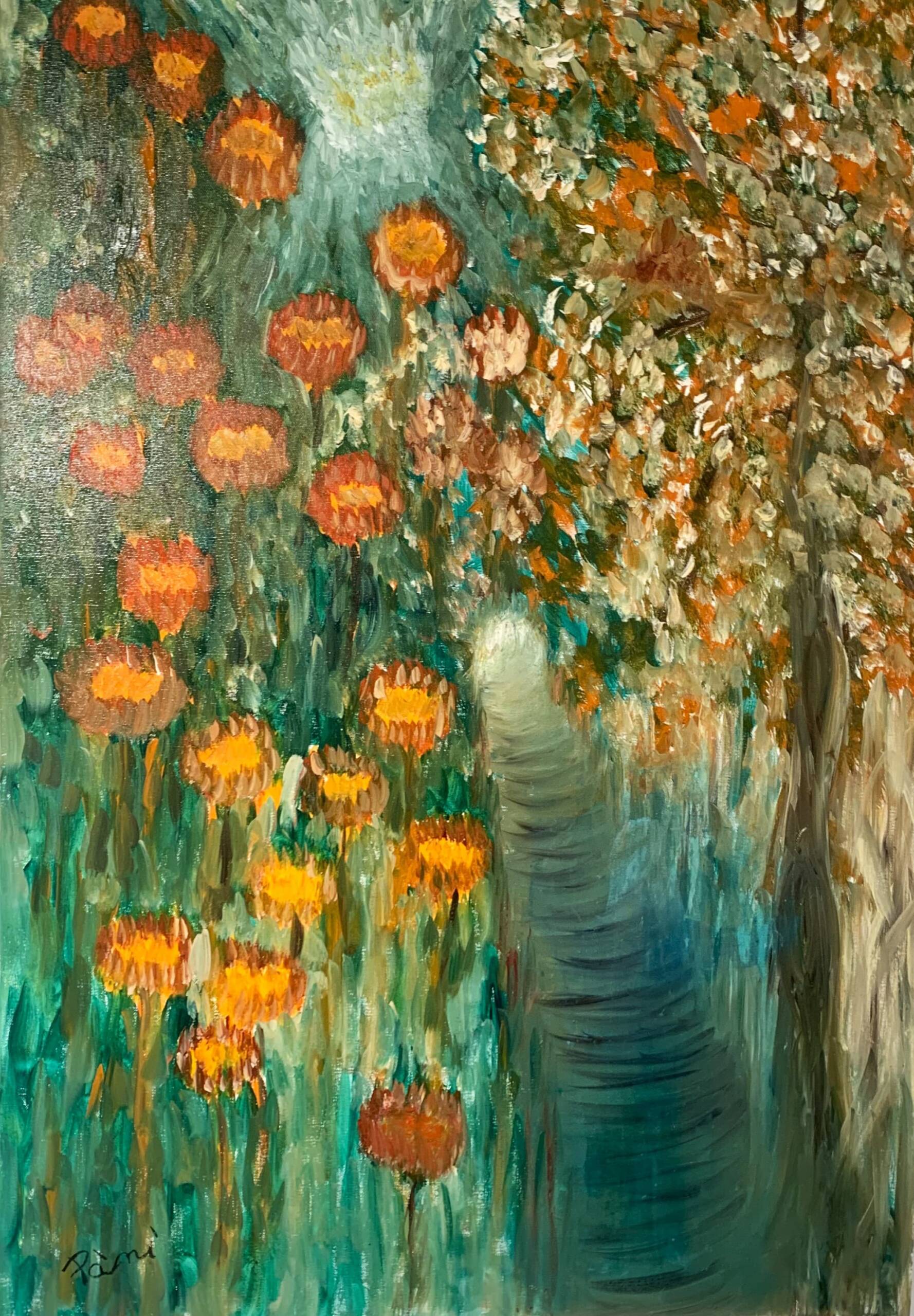
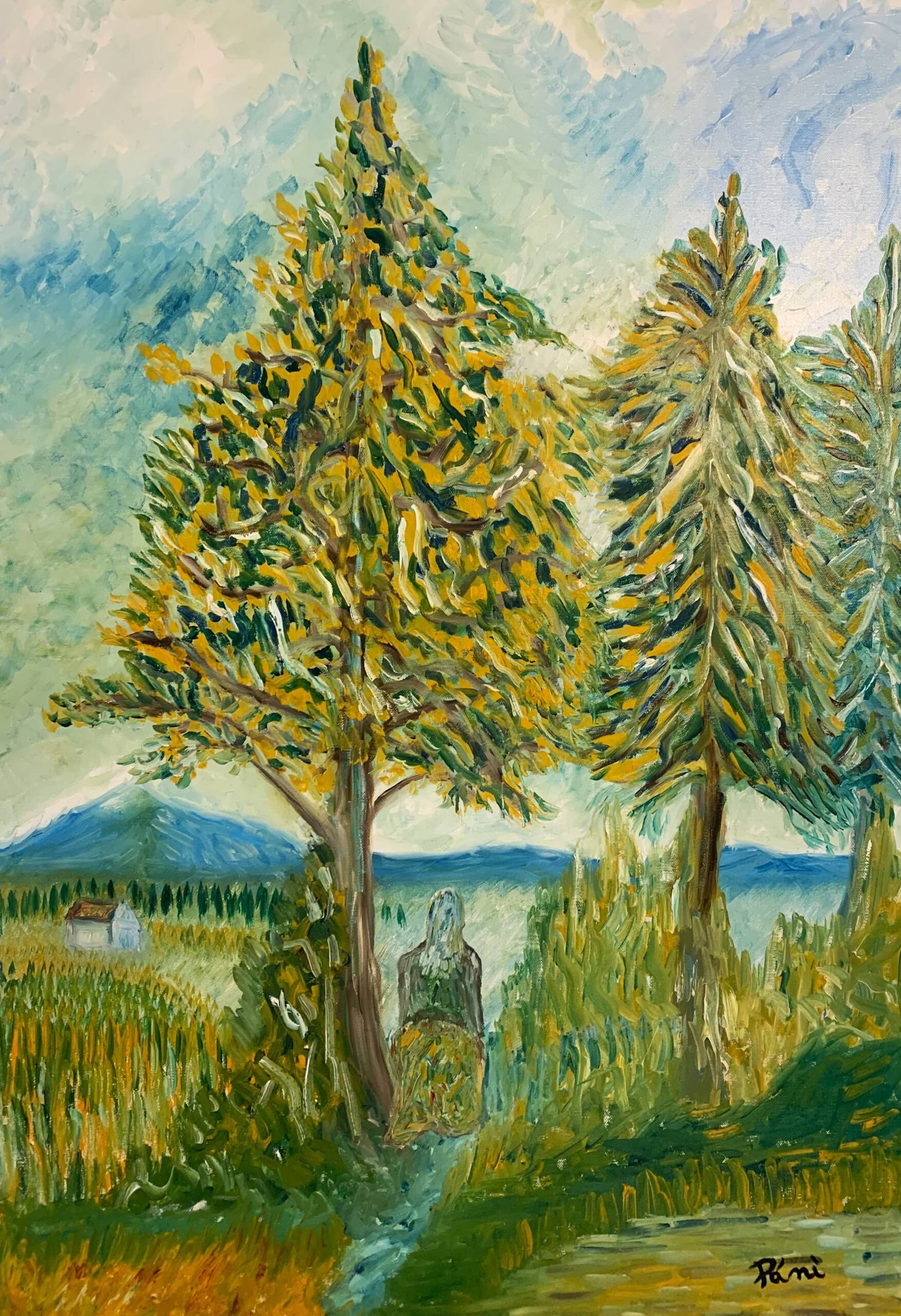
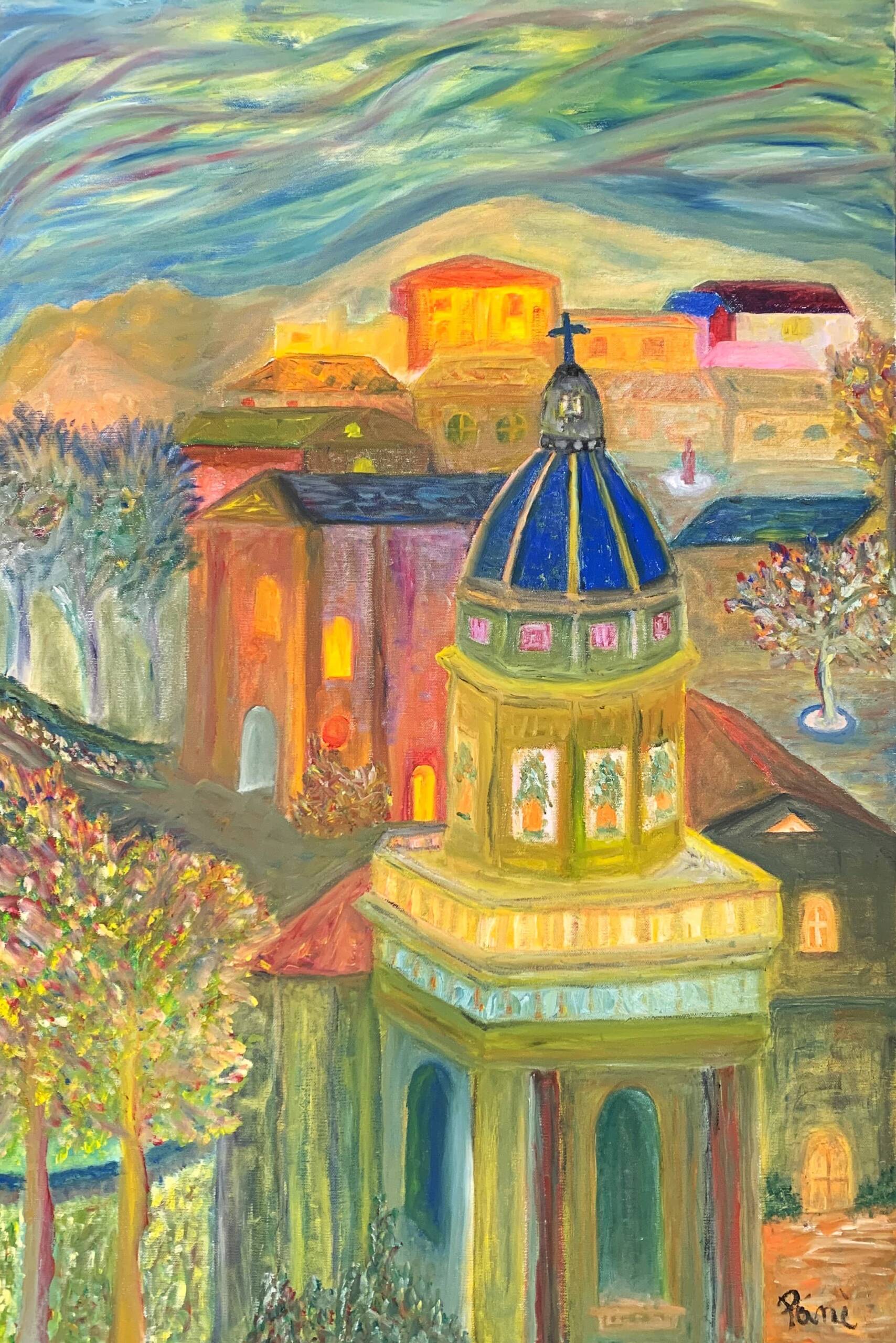
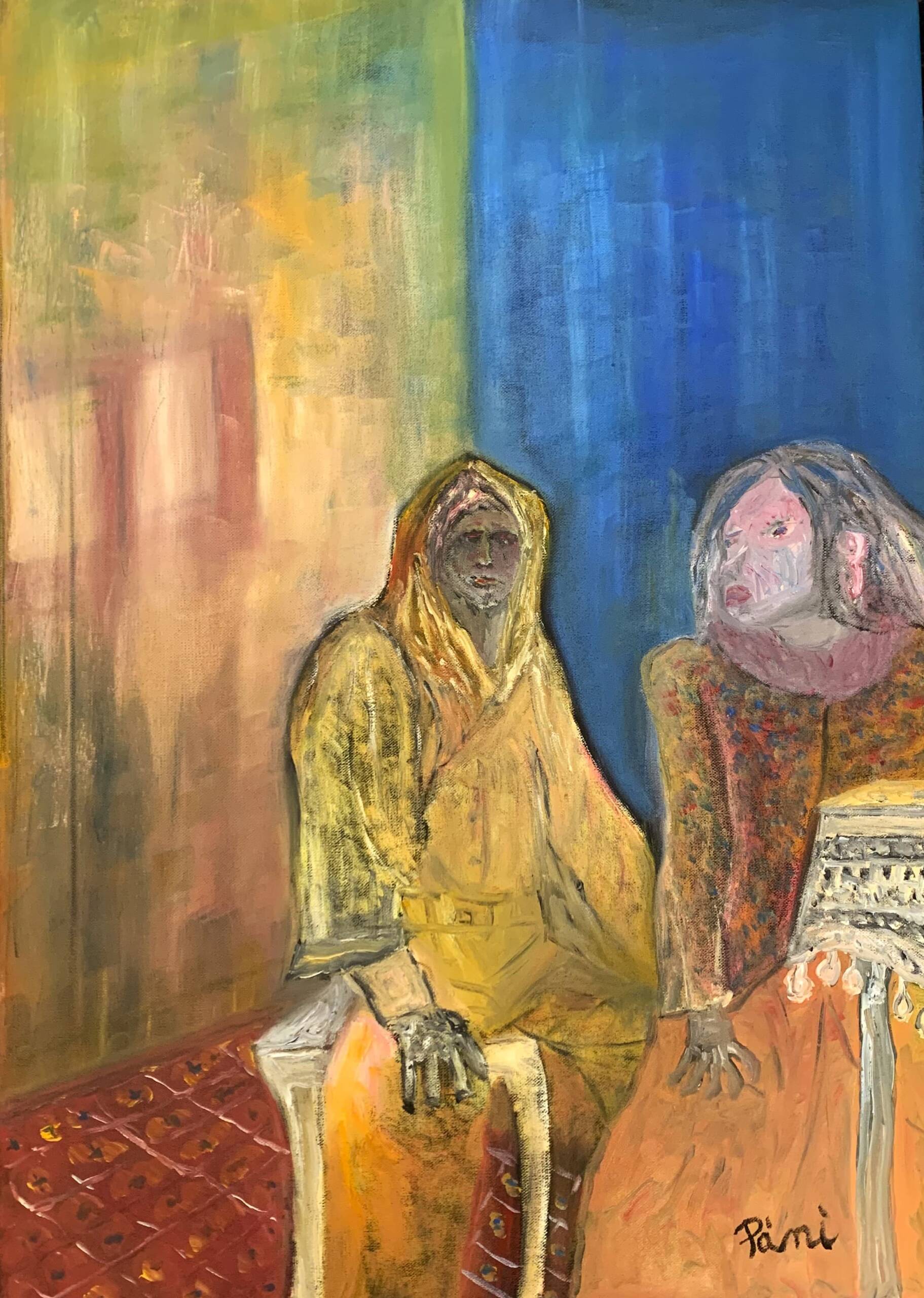
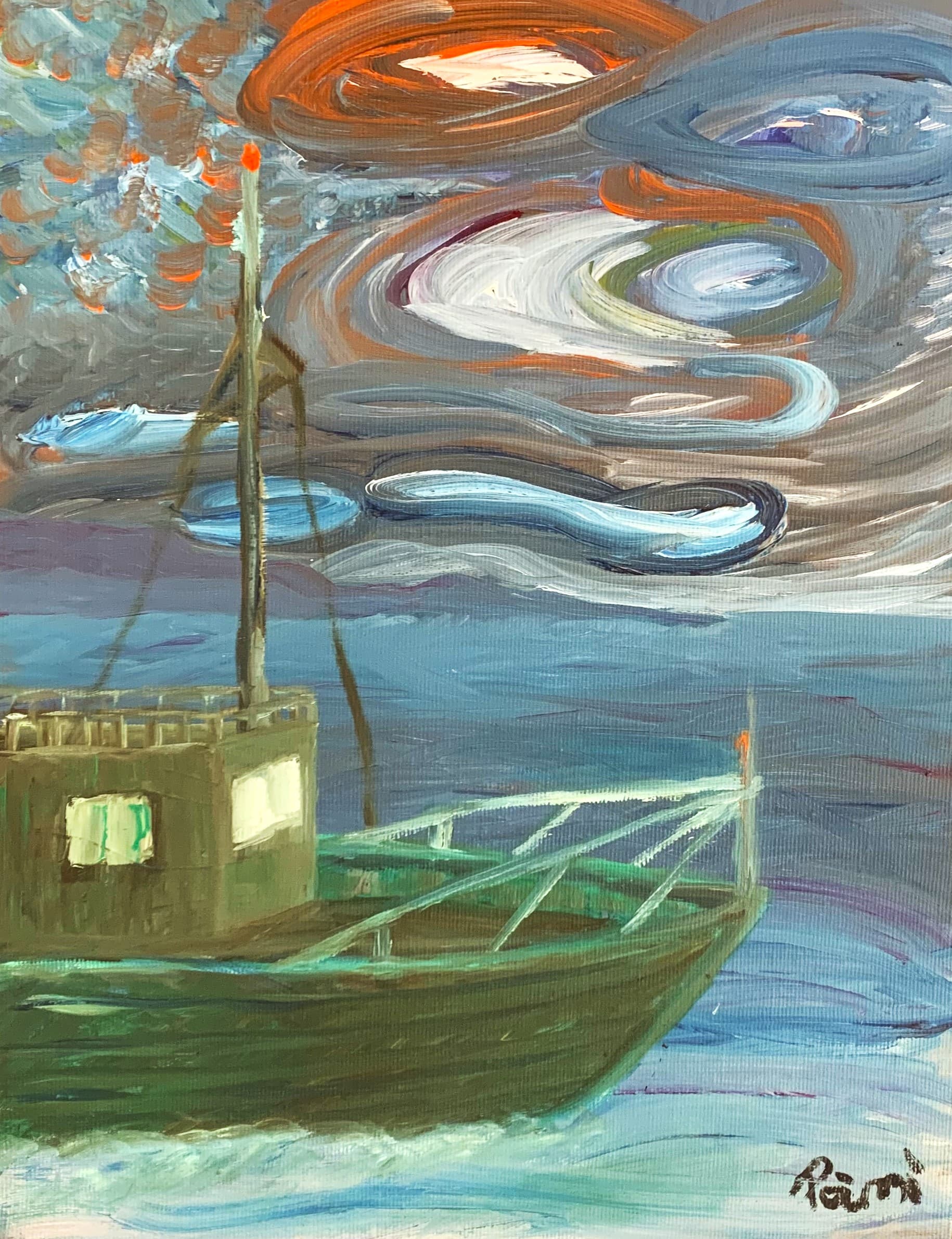
His growth as an artist has been marked by careful observation of the work of master craftsmen and contemporary artists. Palazzolo is often described as an "impressionist" and draws great inspiration from Vincent Van Gogh, the artist he considers the greatest of all time. For Palazzolo, Van Gogh represents the very essence of art: a man who dedicated his life to the pursuit of expressive authenticity, distancing himself from the desire for fame and wealth. This admiration is reflected in his works, as each creation is the fruit of a profound soul-searching.
But Ninni Palazzolo doesn't create solely for aesthetic pleasure; each work is an attempt to project his essence into the world. He states that what he creates is not intended to be sold, but to give life to an image that captures his most intimate feelings at the moment of creation. It is through this authenticity that the public can connect with his soul, perceiving the suffering and joy that nourish his creative process.
A turning point in Palazzolo's artistic career occurred when he met Francesco Chinnici, a gallery owner who recognized the value of his work and sensed the depth and emotional power that characterize Palazzolo's work. Chinnici encouraged him to exhibit his creations. Until then, the artist had been reluctant to show his work to the world, fearing that the judgment of others might taint the purity of his artistic expression.
The essence of his art is based on the belief that each piece should be considered a vessel for the soul. In this context, suffering and joy intertwine, creating a unique relationship with one's own existence and creativity. His works are not born from preparatory drawings or realistic visions, but rather from the flow of his hands, guided by an internal and unknown entity that resides deep within his soul. Every chisel stroke, every brushstroke, is a tangible manifestation of an internal dialogue that becomes art. Palazzolo's art is a reflection of his life and his personal experiences. Raised in an environment where artisanal traditions were alive and vibrant, he learned to value ancient techniques while keeping an eye on the future. His vision is that of an artist who, while rooted in his roots, desires to explore new horizons and continue to evolve.
In a world where art is often considered a commodity to be commodified, Ninni Palazzolo stands out for his authenticity and dedication to the search for the profound meaning of human existence. He invites viewers to contemplate his creations not only as decorative works, but as windows to the soul, portals that offer a glimpse into the life, emotions, and stories that make up the human being.
His influence goes beyond the mere act of creation; Palazzolo manages to establish an emotional connection with those who observe his works. Each sculpture, each painting, is an emotional journey that invites reflection, introspection, and a connection with one's own experiences. Looking at his works, one senses his ability to transform suffering into beauty and joy into artistic reflection.
Pànì's works are not simply art objects. They are visual narratives that tell stories of love, loss, hope, and the search for identity, allowing the viewer to connect with the universal message each piece conveys. Palazzolo invites us to look beyond the surface, to delve into the depths of emotion each work embodies, thus creating an intimate dialogue between artist and viewer.
In his ongoing creative exploration, Palazzolo has refined his technique and personal style, drawing on his experiences to shape his artistic evolution. He has learned to mix materials, experiment with shapes and colors, and create works that defy convention and inspire all who view them. Each work is an invitation to reflect on our relationship with the world, the value of beauty, and the importance of listening to the voice of our own soul.
Ninni Palazzolo's journey as an artist is an illuminating example of how art can serve as a tool for self-exploration and communication. He uses his hands as a means to express complex ideas and feelings, transforming his suffering into a visual language that speaks directly to the heart.
In an age where art is often viewed through the lens of consumption and performance, Palazzolo remains steadfast in his belief that art must be authentic and meaningful. His approach is a call to refocus attention on the truth of human experience, revealing the beauty that can emerge from vulnerability and sincerity.
The Maestro's works, signed as Pànì, not only enrich the contemporary art scene, but also remind us all of the power of art to touch the deepest chords of the soul. His story is a beacon of hope and inspiration for those who seek to give voice to their existence through creativity, demonstrating that art, in its purest form, is a reflection of the individual and a bridge between souls.